Business Continuity and Fire Protection Documentation: A Guide for Denver Facilities
A lot of fire protection problems do not start with equipment failure. They start with missing paperwork, outdated records, vague responsibilities, and a maintenance calendar that lives in somebody’s head instead of in a system the whole team can follow.
That gap shows up at the worst possible time. A sprinkler valve gets closed for repair and no one logs when it happened. A detector change is made in one tenant area, but the fire alarm drawings are never updated. A kitchen hood suppression inspection report gets emailed to a manager who leaves three months later. Then a city inspector asks for records, an insurer asks for proof of maintenance, or a real emergency hits and the facility team is trying to reconstruct what happened from scraps.
For Denver facilities, business continuity and fire protection documentation belong in the same conversation. They are usually treated as separate topics. One sits with operations and risk management, the other with life safety and compliance. In practice, they overlap every day. If your fire protection records are weak, your continuity plan is weak too.
Why documentation matters more in Denver than many teams realize
Denver does not simply rely on model codes without changes. The city adopts the International Code Council code family with local amendments, which means the real project requirements can differ from the base code language many owners, contractors, and even experienced managers are used to seeing elsewhere. That matters during design, permitting, acceptance, testing, and ongoing maintenance. It also matters after a renovation, tenant improvement, or change in occupancy.
I have seen facilities assume that a standard national checklist was enough, only to learn that the local authority wanted something more specific, a different sequence, or a different form of proof. Not because the team was careless, but because they treated code as universal when local enforcement is not. In Denver, and in nearby jurisdictions as well, the smartest habit is simple: confirm project-specific requirements with the authority having jurisdiction before work starts and before closeout records are considered complete.
That one habit protects schedules, budgets, and credibility. It also reduces the chance that a building opens with loose ends in its fire protection file.
The hidden link between fire records and continuity planning
Business continuity is often framed around weather events, power loss, cyber incidents, supply chain delays, and staffing interruptions. Fire events belong on that list, but so do near misses and compliance disruptions. A fire pump impairment, repeated nuisance signals, a failed annual test, or a missed inspection can interrupt business long before a major fire ever occurs.
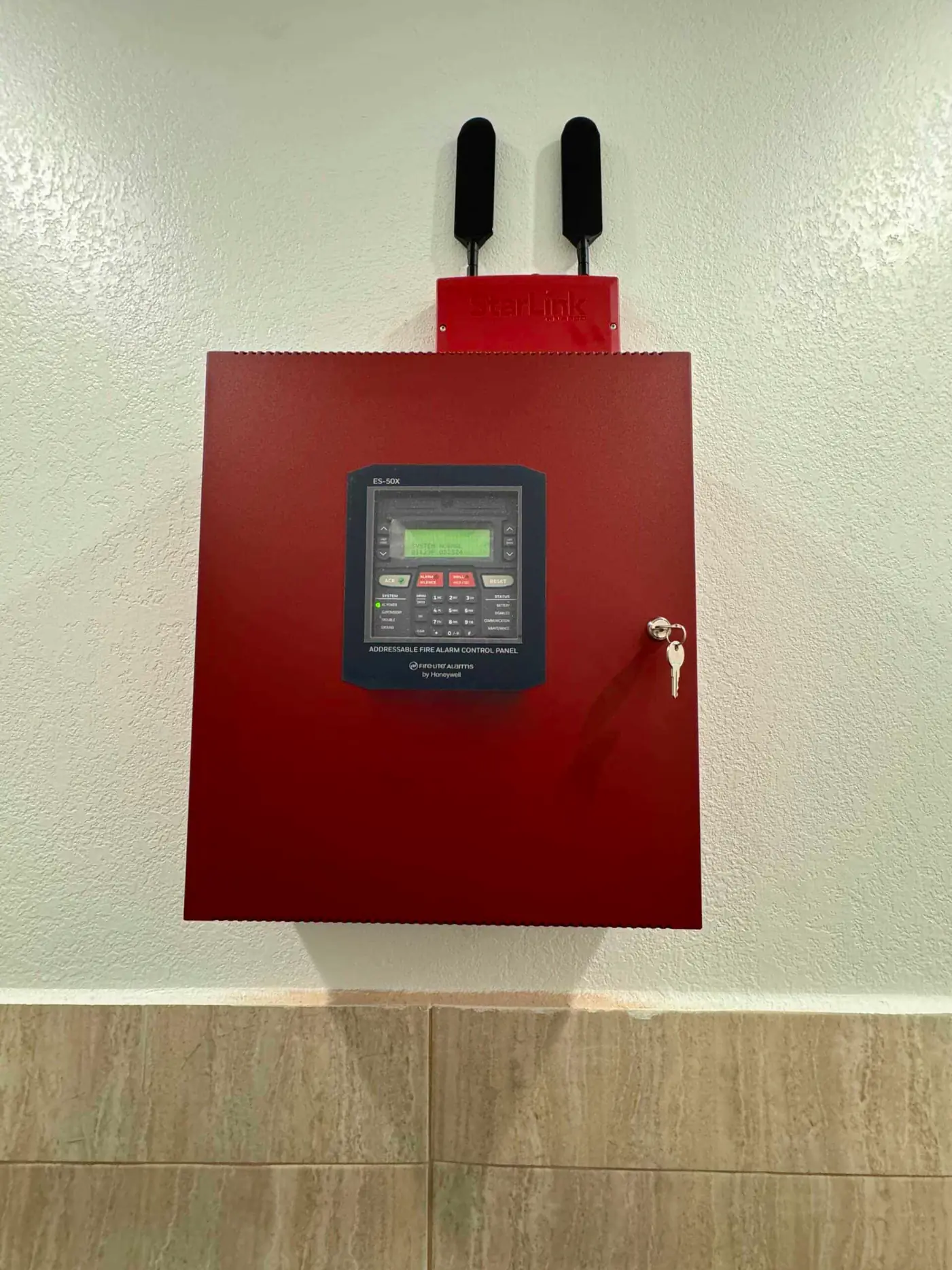
Consider a fairly ordinary scenario. A warehouse office addition is completed, and the team installs new fire alarm detectors and panels Denver contractors commonly https://coloradofirecode294.urbanvellum.com/posts/fire-marshal-inspection-colorado-which-fire-protection-records-owners-should-keep-organized-year-round work with in mixed-use facilities. The construction finishes on time. Everyone moves in. Six months later, a service company arrives for scheduled testing and discovers the record set on site does not match the field configuration. Device labels are inconsistent, panel programming notes are incomplete, and the supervising station contact information is outdated. Nothing looks dramatic from across the room, but the facility is one trouble signal away from a very long day.
The continuity problem is not just technical. It affects evacuation confidence, service response, tenant communication, compliance posture, and sometimes occupancy itself. Good records keep a manageable issue from turning into an operational mess.
What belongs in a usable fire protection document package
A strong document package is not the same as a stack of PDFs dumped in a shared drive. It needs structure, version control, and a clear owner. In practical terms, a Denver facility should be able to put its hands on current records for system design and system history, plus the inspection, testing, and maintenance paperwork that shows the systems are being kept in service.
The most useful packages usually include these core categories:
- current as-built drawings and device or equipment inventories
- inspection, testing, and maintenance reports for each system
- records of impairments, repairs, deficiencies, and corrective actions
- permits, acceptance documentation, and any required certifications
- emergency contacts, monitoring details, and internal response procedures
That may sound basic, but many facilities are missing at least one of those categories, and often the missing category is the one that matters most during an incident.
For water-based systems, records should reflect the real system type in each area. A pre action sprinkler system Denver owners may use in sensitive spaces should not be documented as if it were a standard wet system. A dry pipe sprinkler system Colorado facilities may rely on in unheated or partially exposed areas has its own testing and maintenance profile. If the records blur those distinctions, your maintenance planning will too.
The same goes for special hazards. A data room protected by clean agent fire suppression Colorado businesses use for equipment-heavy spaces needs records that are separate from the warehouse sprinkler file and separate from the fire alarm test reports. A restaurant or institutional kitchen needs a trail for commercial kitchen fire suppression Denver inspectors and service providers can follow without hunting through unrelated paperwork.
The service calendar cannot be informal
One of the most common weaknesses I see is a vague assumption that “we get everything checked once a year.” That is not how fire protection maintenance actually works.
NFPA 25 is the primary standard for inspection, testing, and maintenance of water-based fire protection systems. It sets minimum frequencies for many tasks, and those frequencies are not all annual. Depending on the component and task, the schedule may include monthly, quarterly, semiannual, annual, and multi-year intervals. That means a facility cannot rely on memory or a single anniversary date. It needs a calendar built around the actual inspection rhythm.
The phrase fire sprinkler inspection frequency Colorado facility managers search for often leads them to ask the wrong question. They ask, “How often is the sprinkler inspection?” Singular. The better question is, “Which sprinkler system tasks are due this month, this quarter, and this year?” That shift sounds small, but it changes how records are managed and how fewer items slip through the cracks.
NFPA 72 plays a similar role for fire alarm and signaling systems. It covers design, inspection, testing, and maintenance, and it includes functions tied to monitoring and emergency communications. If a team is scheduling only basic bell tests and calling it done, they are not managing the documentation side with enough discipline. For NFPA 72 fire alarm testing Denver properties need, the paperwork should clearly show what was tested, when it was tested, what failed, and what was corrected.
A service calendar worth trusting should answer a few practical questions at a glance. What was due? What happened? What remains open? Who owns the next step? If those answers are scattered across emails and vendor portals, continuity suffers.
False alarms are not just annoying, they create documentation risk
Denver’s fire code amendments deal directly with false alarms and problematic fire alarm systems. Repeated unintentional false alarms can trigger requirements to repair or replace the system, and there can be reimbursement implications for some false alarm responses. That changes the stakes.
A team dealing with fire alarm false alarms Denver facilities sometimes experience cannot treat them as minor nuisances. Every repeated unwanted activation should have a documented path from event to diagnosis to corrective action. If the same detector type, panel point, tenant area, or environmental condition keeps showing up, that trend matters.
This is where complete records save time and money. If you can look back over a year and see that most unwanted signals occur during janitorial shifts, after HVAC startup, or in one renovation zone, you have a workable lead. If all you have is “alarm went off again,” you are guessing.
I once worked with a facility team that kept getting blamed for poor alarm management, but the issue turned out to be a renovation-phase mismatch between installed devices and the final labeling scheme. The service company was testing one map, the panel reflected another, and the responding staff had learned to distrust the annunciation. The system itself was not beyond repair. The recordkeeping was the real failure.
Cold weather changes everything for sprinkler documentation
Colorado weather can expose weak assumptions fast. If a building has loading docks, attic-like voids, exterior canopies, parking structures, or unheated service zones, sprinkler freeze risk has to be documented with more care than many owners expect.
Sprinkler freeze protection Colorado facilities plan for is not just an equipment decision. It is a documentation decision. Why was a space protected by a dry system instead of a wet one? What temperature conditions were expected? Where are the low points, auxiliary drains, and maintenance responsibilities tracked? If a preaction or dry pipe area is converted, subdivided, or heated differently after a remodel, the records need to reflect that change.
This is especially important for a dry pipe sprinkler system Colorado owners may use in spaces where freezing is a realistic concern. Those systems need records that support proper testing and maintenance over time. The same goes for a pre action sprinkler system Denver operators might install in areas where accidental water discharge would create serious business interruption. A preaction approach can make sense in the right application, but only if the documentation explains the system logic and ties it to alarm and supervisory functions the facility staff can actually understand.
Many freeze-related problems are not dramatic design failures. They are slow record failures. A thermostat setting changes. A wall is added. A vent is left open. A tenant uses a room differently than intended. None of those changes look like “fire protection work” at first glance, but each can alter risk. The fire protection file should capture them.
Monitoring details deserve more attention than they get
Monitoring records often get reduced to a phone number taped inside a panel door. That is not enough.
Denver code requires some fire alarm and emergency communication devices to transmit to a central station, commercial monitoring service, or continuously staffed monitoring service, depending on the application. The exact setup depends on the project and the authority’s requirements, but the documentation point is universal: a facility should know how signals leave the building, where they go, who receives them, and what happens if a communication path fails.
For properties with fire alarm monitoring Aurora CO providers involved in portfolio operations, consistency becomes even more important. Regional owners often standardize vendor relationships, but local requirements and building configurations still vary. If your Denver building, your Aurora building, and your Lakewood building each route signals differently, the records must make that obvious. A portfolio spreadsheet that says simply “monitored: yes” is not enough for operations.
Good monitoring documentation also supports after-hours continuity. If a trouble signal comes in at 2:00 a.m., the on-call person should not need to guess whether it is a waterflow, supervisory, or trouble condition, or whether the signal reached the intended supervising entity.
Certifications, permits, and closeout records need a home
People often ask for fire system certification Denver requirements as if certification were a single universal packet. Real life is messier than that. Different work scopes produce different records, and local review can affect what is expected for permits, inspections, acceptance, and closeout.
That matters during construction and after occupancy. Denver-area fire authorities may require permits and inspections for regulated work, and the review process takes time. If a facility schedules tenant move-in based only on construction completion, without confirming authority review, acceptance steps, or required closeout documentation, it is setting itself up for avoidable friction.
The most useful habit here is to treat every project, even a modest one, as a record-producing event. Replacing a panel, adding a device group, modifying suppression coverage, or changing a monitored account should trigger document control actions. Drawings, test reports, permits, acceptance records, and internal directories should all be updated together, not months apart.
A fire safety inspection Lakewood CO team might request for one property and a Denver review for another may not follow identical administrative paths, but the operational lesson is the same. Save everything in one place, label it clearly, and keep prior versions without letting them masquerade as current.
Special hazard systems need separate discipline
Special hazard systems are where weak documentation usually becomes obvious fastest. A clean agent system, kitchen hood suppression setup, or other nonstandard arrangement cannot be managed like a generic sprinkler riser.
Commercial kitchen fire suppression Denver facilities rely on often involves its own inspection and maintenance records, and those records need to sit where operations, service vendors, and management can all find them. The kitchen manager may know the manual pull location and shutdown sequence. The facilities department may know the vendor. The owner may know only that “the hood gets serviced.” Unless those pieces are pulled together in the file, continuity suffers when staffing changes.
The same is true for clean agent fire suppression Colorado users install in equipment-sensitive spaces. These systems can protect important operations, but only if the documentation is complete enough for inspection, testing, restoration planning, and coordination with the fire alarm system. A missing drawing or a stale sequence note can turn a routine service visit into hours of avoidable troubleshooting.
A practical review rhythm that works
Facilities that stay organized usually do not rely on heroic effort. They follow a short, repeatable review rhythm. Done well, it takes less time than chasing missing records later.
- review open deficiencies after every service visit
- reconcile inspection reports against your master asset list each quarter
- verify monitoring contacts and escalation paths at least annually
- update drawings and directories after every modification, not at year-end
- confirm local authority expectations before major work begins
That second point matters more than it seems. A master asset list sounds dull, but it prevents drift. If the report references a valve, panel, suppression cylinder set, or detector group that is not on the facility list, ask why. Either the list is incomplete or the report is. Both conditions need attention.
The records should tell a coherent story
A strong fire protection file is not just complete, it is coherent. If I open your records and read them in sequence, I should be able to understand what systems exist, where they are, who monitors them, how they are maintained, what has failed, and what has been fixed.
That coherence is what supports business continuity. During an emergency, no one wants to piece together three years of service history from old inboxes. During a property sale, refinancing event, insurance review, or leadership transition, clear records reduce uncertainty and speed decision-making. During an inspection, they build confidence that the facility is being actively managed.
It also helps internal teams make better calls. Suppose a panel trouble condition appears in a zone with repeated service history. If the documentation clearly shows the pattern, management can decide whether a repair is enough or whether replacement is the smarter operational move. Denver’s amendments on repeated problematic systems and false alarms make that sort of judgment more than a convenience.
The goal is not perfect paperwork, it is dependable readiness
Most facilities will never have pristine records. Buildings change, vendors change, and busy teams miss things. The goal is not clerical perfection. It is dependable readiness.
If your Denver facility can quickly produce current records, explain how each system is being maintained, show a working calendar built around NFPA 25 inspection Colorado expectations and NFPA 72 testing needs, track false alarm corrections, and document monitoring and permit history, you are in a strong position. You are not just better prepared for an inspection. You are better prepared for turnover, storms, tenant changes, and actual fire events.
That is what business continuity looks like in real buildings. Not a binder on a shelf. A living set of records that makes the next decision clearer than the last one.
Ends · DENVERSYSTEMUPKEEP300